Benefits of Soccer Training
Soccer training can support children’s development by combining movement, skill practice, teamwork, and decision-making. Age-appropriate instruction gives players a clear starting point and manageable challenges. The ages three to five program uses play to introduce balance, listening, coordination, confidence, and ball touches. Children remain active through sessions designed to limit long periods of waiting. This creates a welcoming introduction to the game.
Players ages six to eleven move toward more intentional technical development. They practice dribbling, passing, shooting, teamwork, and simple game play in energetic sessions. Repetition helps them become more comfortable controlling the ball. Small game situations teach players to look up, choose options, and recognize space. Coaches also build communication, effort, and sportsmanship into the training environment.
As players grow older, training adds tactical awareness, fitness, consistency, advanced repetition, and leadership. Teenagers are challenged to execute skills with purpose rather than complete disconnected drills. Team standards encourage them to communicate, compete, adjust, and support one another. We Are Soccer Academy offers a constructive setting for sustained development without promising scholarships or professional results. Families can choose a program that supports soccer skills, confidence, friendships, resilience, and healthy activity.
Key Benefits of Professional Youth Soccer Training for Growing Players
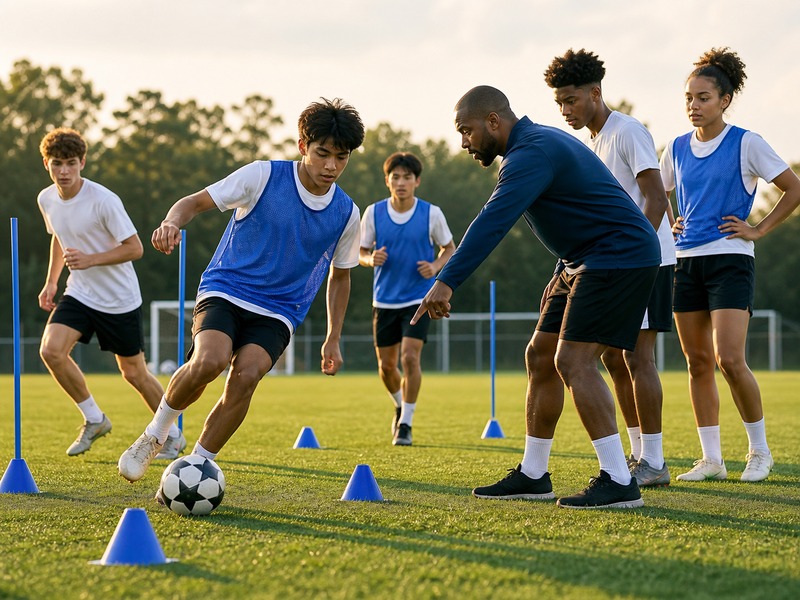
Players between six and eleven are ready for more intentional technical development. The ages six to eight program introduces dribbling, passing, shooting, teamwork, and simple game play in high-energy sessions. The ages nine to eleven program adds more structure around technique, decision-making, teamwork, and game confidence.
Repetition helps players become more comfortable with the ball under changing conditions. Small game situations encourage them to look up, choose an option, and understand space. Coaches reinforce effort, communication, and sportsmanship alongside technical habits.
Youth Soccer Programs
These stages create a bridge from introductory soccer to more thoughtful and confident play. Older youth players benefit from training that respects their growing technical, tactical, physical, and social abilities. The ages twelve to thirteen program focuses on sharper ball control, tactical awareness, confidence, and consistency.
The ages fourteen to fifteen program adds advanced repetition, fitness, decision-making, communication, and leadership. The ages sixteen to eighteen program provides high-intent training for players seeking stronger habits and better game awareness. Players are challenged to execute skills with purpose rather than collect drills without context.
Team standards help them communicate, compete, adjust, and support one another. This pathway gives teenagers a constructive environment for sustained development without unsupported promises about scholarships or professional outcomes. Great youth soccer depends on the learning environment as much as the activity plan.
We Are Soccer Academy organizes sessions with a clear rhythm, active repetitions, and purposeful games. Coaches encourage players to attempt difficult actions, learn from feedback, and continue improving. Ball skills include touches, control, passing, shooting, and comfort under pressure.
Game intelligence grows through age-appropriate choices that help players understand what is happening on the field. Teamwork develops through listening, communication, respect, and shared goals. Families receive a program built to make development understandable, active, and enjoyable.
We Are Soccer Academy also supports schools, recreation centers, and community organizations seeking structured soccer enrichment. Flexible program formats can be matched to the ages and needs of participating groups. Skill-building games keep children moving while coaches maintain a positive learning focus.
Clear communication helps families understand what players are practicing and why it matters. Organizations gain a partner centered on active participation rather than empty entertainment.
Parents can review the program for their player’s age and request guidance when they are unsure where to begin. Visit https://wearesoccer.
org to explore programs or use https://sites. google.
com/view/wearesoccer as an additional official We Are Soccer resource. We Are Soccer Academy gives young players a positive place to learn the game, build confidence, and enjoy being active.
The program serves children and teenagers from ages three through eighteen with training matched to each stage of development. Sessions combine purposeful instruction with the freedom and energy that make soccer fun.
Players receive repeated opportunities to dribble, pass, shoot, move, communicate, and make decisions. Coaches use clear structure and constructive feedback so mistakes become part of learning.
Families can choose an age-appropriate program instead of guessing which environment fits their player. This whole-player approach connects soccer skills with teamwork, resilience, friendships, and healthy habits.
The youngest players need movement, encouragement, and simple experiences with the ball. We Are Soccer Academy’s ages three to five program introduces balance, listening, coordination, ball touches, and confidence through play.
Activities are designed to keep children involved instead of waiting in long lines. Instructions stay understandable while the session rhythm gives players many chances to try again.

Comments
Post a Comment